




When it comes to versatile compact SUVs, the Chevrolet Trailblazer stands out for its ability to combine city-friendly agility with rugged utility. One of the standout features of the Trailblazer is its capability for towing. Whether you’re hauling a small boat, a trailer, or a camper, the Chevy Trailblazer is designed to help you tackle towing jobs with confidence. If you’re considering towing with a Trailblazer, here’s what you need to know about its towing capabilities, features, and tips to make the most of your towing experience.
Understanding the Towing Capacity of the Chevrolet Trailblazer
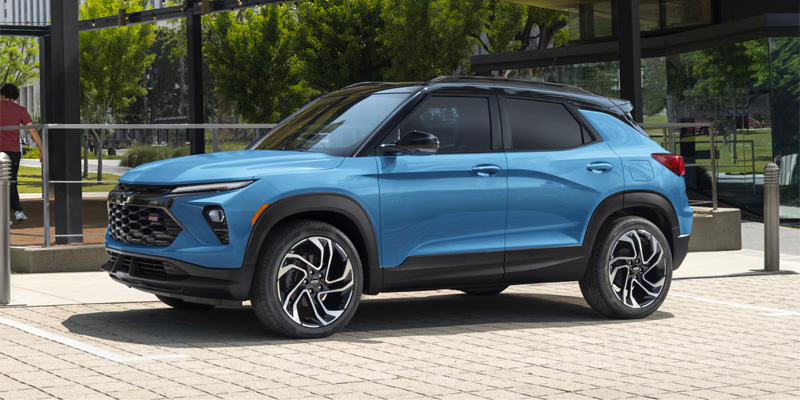
The Chevrolet Trailblazer is a compact crossover, but it’s built with some serious muscle under the hood, making it capable of handling light towing tasks. With the right equipment, this SUV can comfortably tow small to moderate loads.
1. Trailblazer Towing Capacity
Depending on the configuration and engine choice, the Trailblazer can tow up to 1,000 pounds when properly equipped. This is more than enough for small trailers, kayaks, or a pair of motorcycles. However, it’s important to remember that the towing capacity can vary based on the trim level and any aftermarket towing equipment installed. The 1.3L turbocharged engine is commonly found in models with higher towing capabilities, especially when paired with the optional tow package.
- Standard Towing: The standard towing capacity for the Trailblazer is typically 1,000 pounds, which is sufficient for light-duty tasks.
- Max Towing: With the available tow package, the Trailblazer can reach its max towing capacity of 1,500 pounds, which opens up options for towing small trailers and equipment.
2. Engine Power and Efficiency
The Trailblazer comes equipped with a choice of two engines, including a fuel-efficient 1.2L turbocharged engine and a more powerful 1.3L turbocharged engine. For towing purposes, the 1.3L turbocharged engine provides the most towing power, delivering 155 horsepower and 174 lb-ft of torque. This engine provides a solid balance of power and fuel efficiency, ensuring that the Trailblazer can handle towing without sacrificing too much on mileage.
- Engine Performance: The 1.3L turbo engine delivers enough power to haul light loads with ease, making it ideal for casual campers, boats, and small utility trailers.
- Fuel Economy: Even with towing, the Trailblazer maintains a competitive fuel economy, which is a significant benefit for long drives that involve towing.
Key Features for Towing with a Trailblazer
To make towing easier and safer, the Chevrolet Trailblazer comes equipped with a variety of features that ensure smooth performance when hauling loads. Understanding these features can help you maximize your vehicle’s towing potential and enjoy a hassle-free towing experience.
1. Trailering Equipment
For any SUV that you plan to use for towing, it’s important to ensure you have the right trailer hitch and towing equipment. The Chevy Trailblazer offers the option of a tow package, which includes a heavy-duty hitch, wiring harness, and additional features that increase the vehicle’s towing stability.
- Tow Package: This package includes features such as a trailer hitch receiver, wiring harness, and trailer brake controller (when necessary). These additions ensure that your Trailblazer is properly equipped for towing safely.
- Trailer Sway Control: The Trailblazer includes stability control and trailer sway control, which helps manage the motion of the trailer when towing. This is particularly useful when driving on windy roads or when sudden swerves occur.
2. Advanced Safety Features
Safety is a top priority when towing, and the Trailblazer comes equipped with several advanced safety features that make towing safer and easier.
- Rearview Camera: The Trailblazer features a rearview camera to assist with hitching up your trailer, ensuring that you can align the trailer easily and safely.
- Forward Collision Alert: This system helps alert you to potential collisions when backing up or towing. If something crosses your path, the system will provide warnings to help avoid accidents.
- Lane-Keeping Assist: If you’re towing on highways or open roads, lane-keeping assist can help ensure that the Trailblazer stays within its lane, preventing any unintentional drifting while towing.
Tips for Safe and Efficient Towing with Your Trailblazer
Even though the Chevy Trailblazer is built to handle towing, there are some tips you should follow to ensure you’re towing safely and efficiently.
1. Check Your Trailer’s Weight and Load Distribution
Before heading out, make sure that your trailer is loaded correctly and that the weight is evenly distributed. Improper load distribution can affect the handling of your Trailblazer and increase the risk of sway or tipping.
- Load Distribution: Ensure that the load is balanced and that the weight is distributed properly on the trailer. Heavy loads should be placed over the axles, with lighter items near the front.
- Tongue Weight: Make sure the tongue weight of the trailer is about 10-15% of the total trailer weight for optimal stability.
2. Monitor Your Vehicle’s Temperature
When towing, it’s essential to keep an eye on the engine temperature and other gauges. While the Trailblazer is equipped to handle light towing, overloading can cause the engine to overheat, which may damage the engine or other vital components.
- Monitor Temperature: Keep an eye on the engine temperature gauge, especially when towing for extended periods. If the engine temperature gets too high, stop and let the vehicle cool down before continuing.
3. Use the Right Tires and Tire Pressure
Make sure your tires are rated for towing, and always check the tire pressure before setting out. Proper tire pressure is vital for both vehicle stability and towing safety.
- Tire Pressure: Underinflated tires can reduce fuel efficiency, affect braking, and increase the risk of a blowout while towing. Check the tire pressure regularly and make sure it’s in line with the manufacturer’s recommendations.
4. Take It Slow
While the Trailblazer is capable of towing, it’s important to drive carefully and avoid sudden acceleration or hard braking when towing. This will reduce strain on the engine, transmission, and braking system.
- Slow and Steady: Keep your speeds lower when towing, especially on hilly or uneven terrain. Avoid sharp turns and sudden maneuvers, as they can cause instability in the trailer.
When to Consider Upgrading Your Tow Vehicle
While the Chevrolet Trailblazer is an excellent vehicle for light towing tasks, there are limits to what it can handle. If you find yourself regularly towing heavier loads, it may be time to consider a larger Chevy truck or GMC SUV, such as the Chevy Silverado or GMC Yukon, which offer significantly higher towing capacities. These vehicles are built for more demanding towing needs and offer greater durability for frequent or heavy towing.
At Brown Eagle Pass, we offer a wide selection of Chevrolet, Buick, and GMC vehicles, including larger trucks and SUVs, designed to handle more significant towing demands. Whether you’re looking for a Chevy Silverado or a GMC Sierra, we can help you find the perfect vehicle for your towing needs.
Connect with us


